If you manage a gym, hotel or anywhere with shared-use lockers, you will surely want to know when it's time to replace your locker locks—especially if you've been receiving complaints from users.
Faulty locks can compromise security, undermine customer trust and even damage your business reputation.
In this article, we explain the key factors that influence how often you should change a locker lock, as well as how to upgrade from a traditional to a smart system that minimises incidents and simplifies management.
Why is it important to change the lock on your locker?
Lockers are used to store personal items and valuables; backpacks with electronic devices; documents; work clothing; sports equipment; and more. If the lock doesn't work properly, the risk of incidents increases, as does the user's perception of insecurity.
Timely replacement of the lock helps prevent the following, among other things:
-
Increased probability of unauthorised openings.
-
Conflicts between users after a loss or theft.
-
Wasted staff time opening, closing, repairing or forcing a faulty lock.
-
Image of neglect or poor maintenance conveyed by your centre to customers.
In environments such as hotels, educational centres, offices and gyms—where user experience is key—having secure, well-maintained lockers is just as important as offering a good service or modern amenities.
Factors that influence the frequency of lock replacement
To decide how frequently you should change a locker lock, we recommend evaluating the following factors first:
1. Type of lock installed
Traditional mechanical locks that operate with a physical key tend to require more interventions; for example, duplicating keys, replacing them when lost or changing the cylinder due to wear.
In contrast, electronic locker locks, such as those offered by Omnitec, eliminate the need for a physical key. Their maintenance mainly involves battery replacement, credential updates and system checks, which are usually simpler tasks required less often.
2. User turnover and level of use
A locker accessed occasionally is not the same as one used by dozens of persons each day:
-
In gyms, spas and public swimming pools, turnover is very high.
-
In offices and educational centres, their use is usually more stable and assigned to specific individuals.
-
In hotels and tourist accommodation, lockers may be used more moderately by guests, depending on the length of their stay.
The higher the turnover and more frequent the change of user, the sooner the locker should be inspected and the lock replaced if necessary.
3. Environment and usage conditions
Humidity, dust, sweat, cleaning products and constant impact can all accelerate lock deterioration.
For example, in sports changing rooms or amenities near swimming pools, a lock's lifespan may be shorter than that of lockers located in an office environment.
4. Incident history
If you receive a number of complaints about specific lockers or there are frequent forced openings or keys need to be replaced repeatedly… it's clear the time has come to upgrade those locks for a more robust, modern system.
How often should the locks on lockers be changed?
Considering the above factors, we can now offer some general guidelines on how often locker locks should be replaced.
Firstly, it all depends on the types of locks chosen:
-
For lockers with mechanical locks, we recommend at least one annual inspection. Locks should be replaced every 3 years or sooner if there are signs of wear or an increase in reported incidents. You should consider switching to electronic systems, which are far more modern and secure.
-
For electronic locks on lockers in offices, co-working spaces or educational centres, where each locker is assigned to a specific user, periodic inspections are usually sufficient; for example, at the same time as security audits or the start of a new academic year.
-
For electronic locks on lockers used in hotels or tourist accommodation, regular inspections based on the establishment's occupancy level are advisable. The lock will need to be replaced only if it is outdated in comparison with your hotel's current security standards.
Ideally, locks on lockers should be replaced as part of a maintenance plan. They should be inspected regularly and any incidents recorded. Those that pose a risk should be replaced, with next-generation systems being installed at every update.
From traditional locks to smart lockers: Try Lockerfy
Instead of repeatedly replacing mechanical locks, many businesses are now taking the smart decision to switch to smart lockers.
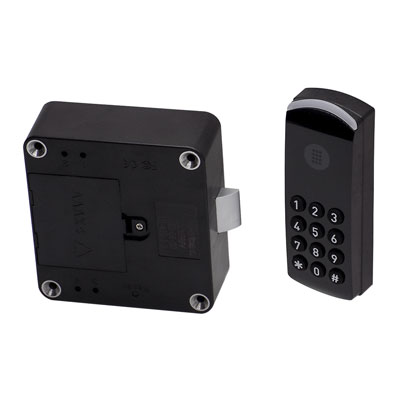
This is precisely the solution we offer at Omnitec with Lockerfy, our most advanced electronic lock for lockers. It transforms any cabinet or locker into a smart locker without the need for construction work or wiring.
With Lockerfy you can:
-
Forget about physical keys: opening is via a mobile phone, code or Mifare card.
-
Assign lockers flexibly and change credentials in seconds.
-
Manage access remotely through gateways and cloud platforms.
-
Keep an unlimited access log with full traceability.
-
Reduce the number of lockout incidents, with its emergency opening feature.
If you're considering upgrading your lockers, now may be the perfect time to switch to an electronic solution or, even better, a smart lock like Lockerfy. It is fully integrated into Omnitec's security ecosystem and designed for hotels, gyms, offices, educational centres and many other premises. Find out about it now!